
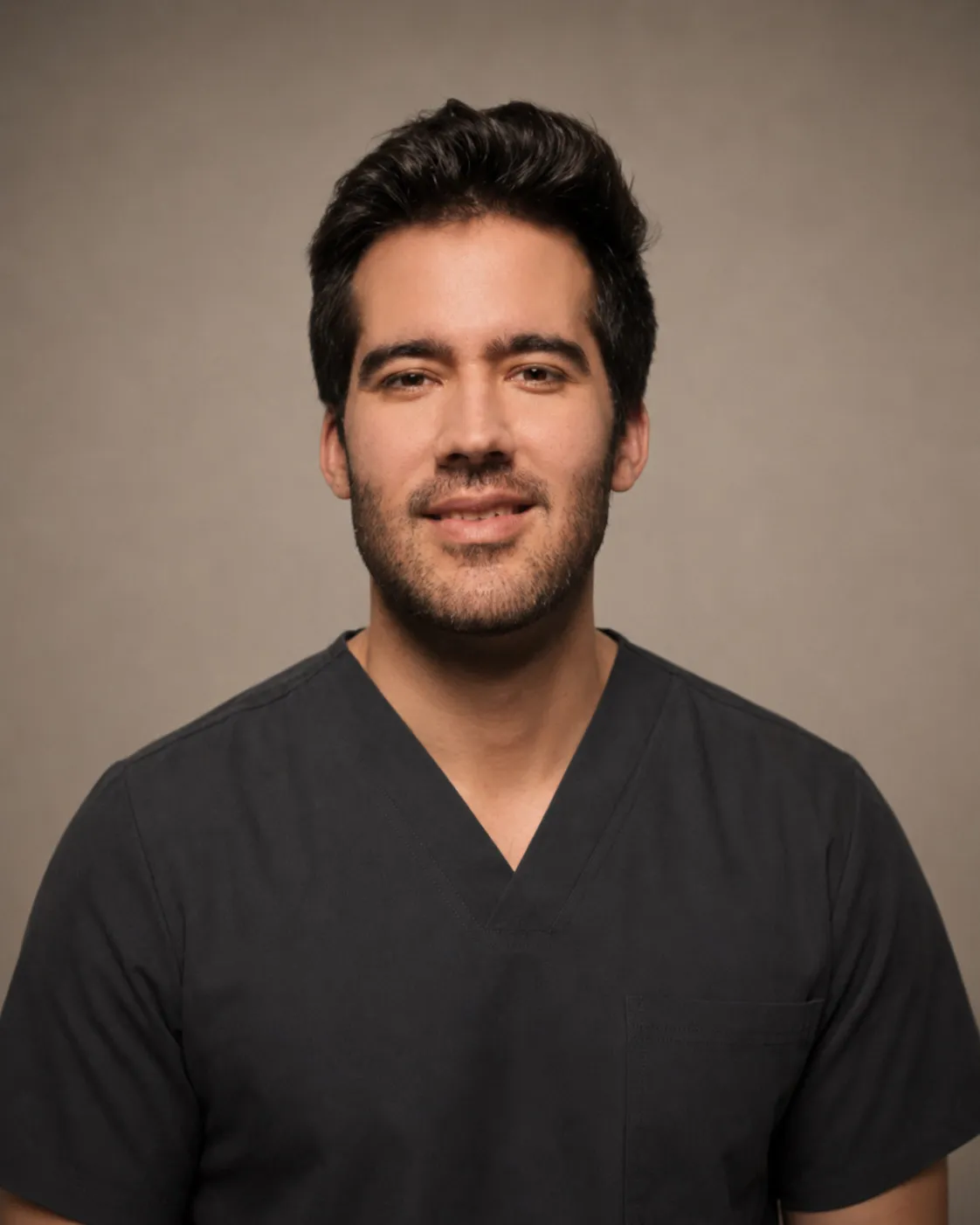
 Medical content reviewed by Dr. Manuel Ballesteros Redondo Dermatologist · Medical registration no. 464625795 · Last reviewed 8 August 2026
When skin has pigmentation, uneven texture, superficial acne marks or a dull appearance, home skincare has its limits. Medical peels produce controlled skin renewal and allow more intensive treatment of certain concerns.
Not all peels are the same, and different skin needs different intensity. At dermaMER, we choose treatment after assessing your skin, the concern you want to improve and factors such as skin phototype and sun exposure. The aim is the necessary intensity rather than the maximum possible.
What a peel is and the different types
A medical peel produces controlled skin renewal. The depth reached determines the intended effect, recovery time and risks.
In simple terms, we distinguish:
- Superficial. These act on the outermost layer. Short recovery, more limited correction and several sessions.
- Medium-depth. These reach the superficial dermis: a visible wound, crusting and one or two weeks of recovery, with greater risk.
- Deep. Highly selected cases, in a controlled setting with monitoring, because the product is absorbed and can have systemic effects. They are not routine treatments.
Peels at medical concentrations must not be performed at home: they risk burns and scarring.
Skin concerns
Pigmentation, uneven texture or superficial marks.
Peel application
A solution renews the surface in a controlled way.
Renewal
The treated layer sheds, making way for new skin.
Renewed skin
New skin replaces the treated layer.
What peels are used for
Superficial peels improve mild or moderate acne and residual pigmentation, uneven texture and early photoageing. They complement rather than replace medical acne treatment. For scars, they may help very superficial texture but do not correct deep scars.
For pigmentation and melasma , they complement first-line treatment: they are combined with sun protection and prescribed topical treatment, and an overly aggressive peel can darken melasma.
An isolated pigmented lesion that differs from others or has changed must be diagnosed by a dermatologist before anything is applied. Treating without diagnosis delays recognition of a possible lesion and alters its appearance.
We prefer to start conservatively and increase intensity only when indicated.
The procedure and number of sessions
Before treatment, we assess the concern you want to improve, your skin type, tendency to develop pigmentation and aspects of your history that may affect suitability.
Some cases require skin preparation at home beforehand. On treatment day, the area is cleaned and the peel applied in a controlled way while monitoring the skin response. Sensation depends on depth and may range from itching or warmth to more intense discomfort.
Superficial peels are usually planned as three to five sessions a few weeks apart; medium-depth peels as a single procedure or very few sessions. Lower intensity per session means more sessions.
Results, recovery and limitations
Results are not assessed immediately because redness and flaking temporarily change skin appearance. Recovery after a superficial peel usually takes one to seven days; sometimes there is no visible flaking, which does not mean it has not worked. A medium-depth peel involves one to two weeks with redness, temporary darkening and crusting.
Results are not permanent: skin continues ageing, sunlight causes new pigmentation and melasma recurs, so superficial peels require maintenance. Improvement is assessed using comparable photographs.
What a peel cannot do
A peel does not replace surgery for laxity or significant excess skin, nor restore volume.
It is also not suitable for every scar, wrinkle, redness or pigmentation change. Melasma needs a broader approach and may recur.
Our aim is to use the peel that makes sense for your skin and the concern we want to improve, rather than the most intensive one.
Risks, skin phototypes and sun protection
Burning, redness, tightness, dryness and flaking are expected in the following days.
Uncommon complications include a deeper-than-intended burn, pigment loss, infection or herpes reactivation. Post-inflammatory hyperpigmentation is the main risk, especially in darker phototypes, tanned skin or melasma.
A darker phototype does not rule out a superficial peel, but requires greater caution because of pigmentation risk. Sun protection is essential before and after: high-factor sunscreen, a hat and shade, with no prior tanning, because sunlight during healing intensifies pigmentation.
Aftercare and your first consultation at dermaMER
During recovery, follow our instructions, especially on cleansing, moisturising, sun protection and products to stop temporarily. It is also important not to pick peeling skin or crusts.
At your first consultation, we first confirm what we are treating. We assess your skin, medical history, current treatments and desired result. We then explain the peel type we consider suitable, what to expect, recovery and aftercare. If a peel is not indicated for your concern, we suggest other dermatological options.
It is part of our aesthetic medicine and laser service in Valencia, available in Spanish, English and Italian. As a cosmetic treatment, it is not usually covered by health insurance policies and is paid for separately. A registered dermatologist recommends and performs it, with a quote at the assessment consultation. You can check our indicative prices on the Fees page.
You can meet the medical team before your visit.
Frequently asked questions about medical peels
Will my face peel a lot, and when can I resume normal life?
This depends on depth. Superficial peels cause little flaking and allow normal activities from the same day; medium-depth peels cause peeling and crusting for a few days.
How many sessions do I need?
This varies with the goal and skin type. Superficial peels are given in courses a few weeks apart, while medium-depth peels need longer intervals determined by skin recovery.
How long do results last?
They are not permanent. Skin continues ageing and sunlight continues causing pigmentation, so superficial peels include maintenance and daily sun protection.
Does it hurt?
Stinging or warmth is usually felt during application and is well tolerated in most cases. Intensity depends on the peel type.
Which type of peel do I need?
This depends on the concern, skin phototype and skin condition. Peels involve different depths rather than one product, which is why selection is medical.
Can I have a peel in summer?
Strict sun protection is required and, depending on the peel, avoiding intense sunlight may be preferable. We assess each case.
Does it help acne scars?
It may help superficial scars and residual pigmentation. Deep scars usually require combination with other techniques within a dermatological plan.
Does insurance cover medical peels?
No. Cosmetic treatments are not usually covered by health insurance policies and are paid for separately. The dermatology consultation for the underlying concern — pigmentation or acne — is usually covered, subject to your insurer’s conditions. You can check the insurers we work with.
Dermatology consultation for medical peels in Valencia
dermaMER Instituto Médico Dermatológico
Calle Timoneda 4, Bajo, 46008 Valencia
Mon–Wed 9:00–14:00 and 15:00–19:00 · Thu 10:00–14:00 and 15:00–19:00 · Fri 9:00–14:00
☏ +34 960 20 71 71
View on Google Maps